The Indiana Medicaid answer, verified
Yes - Indiana covers assisted living as a named waiver service through two age-split waivers: the Indiana PathWays for Aging Waiver (ages 65+, plus ages 60-64 with disabilities) and the Health & Wellness Waiver (under age 60), both for people meeting a nursing-facility level of care, and federal HCBS rules bar Medicaid from paying room and board, which the resident pays. Here is what that means in practice for Lynn families - eligibility, what waivers cover, and what stays out of pocket.
Assisted living near Lynn compares against a national median of $6,200 a month - and Indiana's own median of $5,639, ranked #35 of 50 states.
A semi-private nursing home room runs $9,581 a month at the 2025 national median - the number Lynn families weighing skilled care start from.
In-home care averages $35 an hour nationally - about $80,080 a year at 44 hours a week for Lynn households.
Yes - Indiana covers assisted living as a named waiver service through two age-split waivers: the Indiana PathWays for Aging Waiver (ages 65+, plus ages 60-64 with disabilities) and the Health & Wellness Waiver (under age 60), both for people meeting a nursing-facility level of care, and federal HCBS rules bar Medicaid from paying room and board, which the resident pays. Whatever your state covers, one rule is nearly universal: waivers pay for care services, and the family still handles living costs - so a Medicaid path still needs a budget.
Medicaid is the payer of last resort for long-term care, and whether it helps with assisted living depends entirely on your state. Yes - Indiana covers assisted living as a named waiver service through two age-split waivers: the Indiana PathWays for Aging Waiver (ages 65+, plus ages 60-64 with disabilities) and the Health & Wellness Waiver (under age 60), both for people meeting a nursing-facility level of care, and federal HCBS rules bar Medicaid from paying room and board, which the resident pays. Nursing home care is covered in every state for those who qualify financially - assisted living is the state-by-state question.
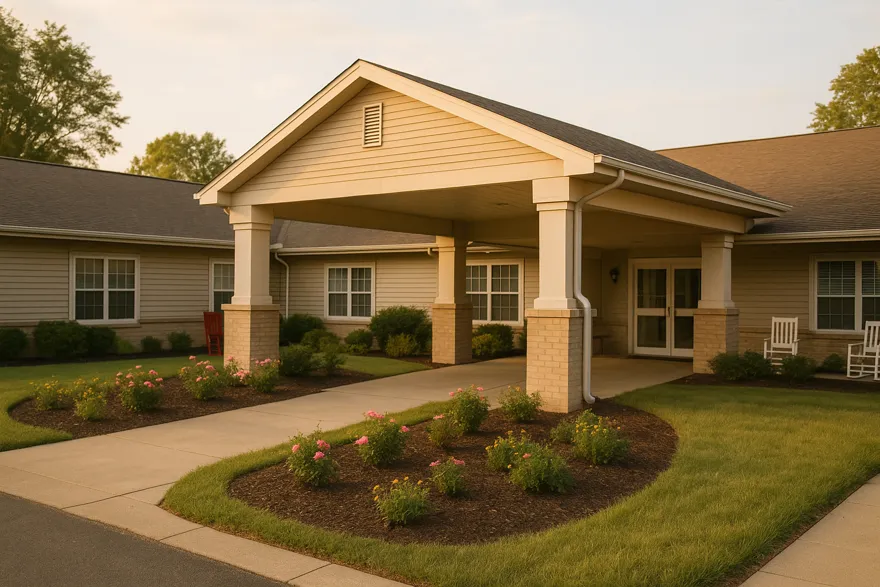



The 2026 numbers
| Care type | 2025 national median | What it covers |
|---|---|---|
| In-home care | $35/hour | Non-medical help at home - meals, bathing, companionship |
| Adult day care | $95/day | Daytime supervision and activities, evenings at home |
| Assisted living | $6,200/month | Housing plus daily-living help; care-level fees extra |
| Memory care | typically 20-40% above assisted living | Secured dementia care with higher staffing |
| Nursing home (semi-private) | $9,581/month | 24/7 skilled medical care |
| Nursing home (private room) | $355/day | Same care, private room |
Find senior care options near Lynn
These platforms show communities and home-care agencies near you with pricing guidance. Advisors are free to families - providers pay them, as they do this site.
Disclosure: this is an independent guide. If you connect with a provider through a link here, the platform may pay this site a referral fee. That fee never changes your price - and it never changes what the inspection records say.
Indiana: Medicaid, prices and the inspection file
| Question | Indiana answer |
|---|---|
| Medicaid & assisted living | Yes - Indiana covers assisted living as a named waiver service through two age-split waivers: the Indiana PathWays for Aging Waiver (ages 65+, plus ages 60-64 with disabilities) and the Health & Wellness Waiver (under age 60), both for people meeting a nursing-facility level of care, and federal HCBS rules bar Medicaid from paying room and board, which the resident pays. |
| State median, assisted living | $5,639/month (#35 of 50 states) |
| Licensing & inspection records | State licensing details pending verification - ask any community for its current license and inspection history |
Indiana splits assisted living Medicaid coverage by age across two different waivers - PathWays for Aging (2407.R00.00) for 65+ and ages 60-64 with disabilities, and the Health & Wellness Waiver (0210.R07.00) for people under 60 - so a couple can end up on two different waivers in the same building.
This guide is research, not advice: an independent summary of published costs and state rules. It is not a care provider, placement agency, law firm or financial advisor - care and Medicaid decisions deserve professional advice for your family's situation.

What this means for Lynn families
The home-versus-community math is mostly hours: in-home care at $35 an hour serves people who need help, not supervision. Past roughly 40 hours a week - or any point where safety needs someone present around the clock - assisted living at $6,200 a month usually costs less than equivalent home coverage.
This guide is research, not advice: an independent summary of published costs and state rules. It is not a care provider, placement agency, law firm or financial advisor - care and Medicaid decisions deserve professional advice for your family's situation.
Common questions
What is the difference between assisted living and a nursing home?
Assisted living provides housing plus help with daily activities - meals, medication, bathing - at a median $6,200 a month. Nursing homes provide 24/7 skilled medical care at a median $9,581 a month for a semi-private room. The dividing line is medical need: wound care, feeding tubes and ventilators are nursing-home territory.
Can a facility evict my parent?
Yes - discharge policies allow it for reasons like funds running out, care needs exceeding what the license covers, or behavior issues. Read the discharge clause before signing and get the funds-run-out answer in writing; involuntary moves are the outcome families regret most.
What questions expose a bad facility fastest?
Three: What is the caregiver-to-resident ratio on nights and weekends? How long has the current administrator been here? What happens when private funds run out? Communities that answer all three plainly and in writing are the shortlist.
Should my parent stay home with help or move to assisted living?
Run the hours math first: in-home care at about $35 an hour serves people who need help, not round-the-clock supervision. Below about 30-40 hours a week, home usually costs less; past that - or when safety needs someone always present - assisted living's $6,200 median often buys more coverage. The right answer follows the care needs, not the buildings.
When should we start looking?
Before the crisis. Good communities near you have waitlists, and emergency placements take whatever bed is open at premium rates. Touring while your parent is stable costs nothing, builds the shortlist, and turns a future emergency into a phone call.
Find senior care options near Lynn
These platforms show communities and home-care agencies near you with pricing guidance. Advisors are free to families - providers pay them, as they do this site.
Disclosure: this is an independent guide. If you connect with a provider through a link here, the platform may pay this site a referral fee. That fee never changes your price - and it never changes what the inspection records say.